When Can Babies Have Water and Juice?
Babies can have sips of water from about 6 months, and juice is not needed in the first year. See AAP and NHS age guidance, amounts and risks.
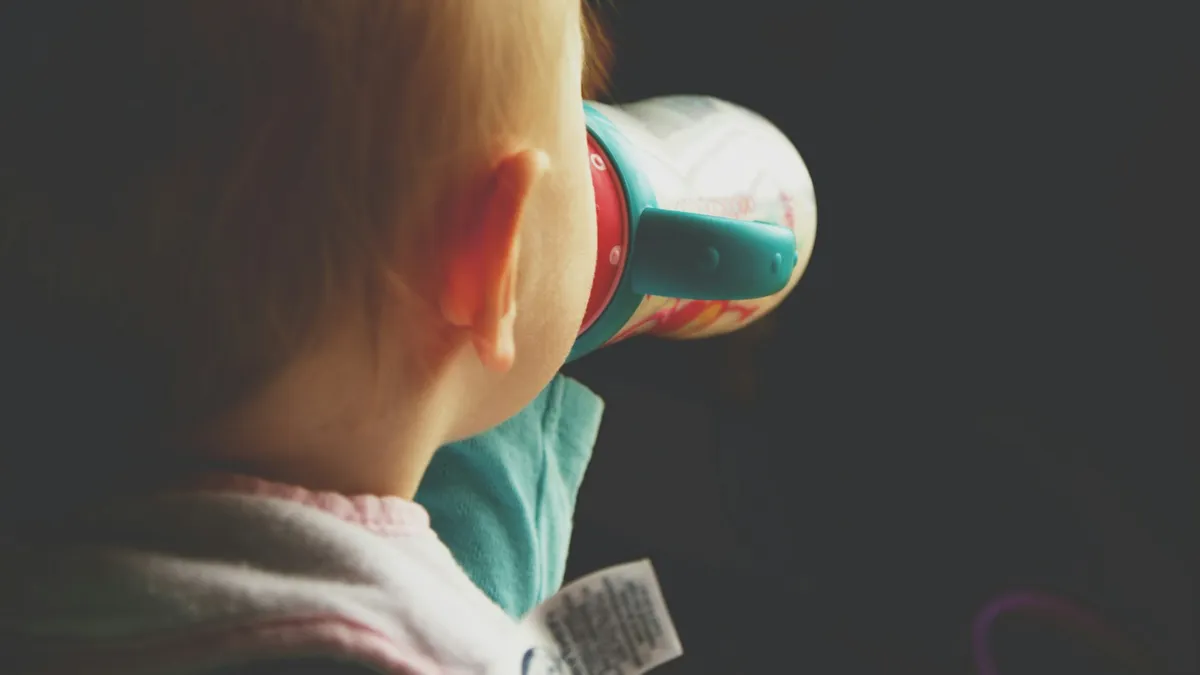
Babies can have small sips of water from about 6 months, and juice is not needed in the first year. The American Academy of Pediatrics (AAP) advises breast milk or formula alone for about the first 6 months, then 4 to 8 oz of water a day from 6 to 12 months, according to HealthyChildren.org.
The AAP does not recommend juice for babies under 12 months. The NHS in the UK says babies under 12 months do not need juice, and gives a dilution rule for parents who choose to offer it.
In this article
- When can babies have water?
- Why can babies not have water before 6 months?
- How should parents offer water to a baby?
- When can babies have juice?
- What about cranberry, prune and other specific juices?
- What are the other drinks to avoid in the first year?
- When should parents call the pediatrician about drinks?
- Questions parents ask about water and juice for babies
When can babies have water?
Babies can have water from around 6 months, once solid foods begin. The NHS advises offering sips of water from a cup or beaker with meals from around that age.
A baby under 6 months gets all the fluid needed from breast milk or formula. Cleveland Clinic states that breast milk is about 87% water and prepared formula is about 85% water.
The table below shows what the sources say about water and juice at each age.
| Age | Water | Juice |
|---|---|---|
| 0 to 6 months | Not recommended (AAP) | Not recommended (AAP) |
| 6 to 12 months | 4 to 8 oz a day in a cup (AAP) | Not recommended (AAP); not needed, and diluted 1 part juice to 10 parts water at mealtimes if given (NHS) |
| 12 to 24 months | 8 to 32 oz a day (AAP) | Up to 4 oz a day; whole fruit preferred (AAP) |
| 2 to 3 years | 8 to 40 oz a day for ages 2 to 5 (AAP) | Up to 4 oz a day (AAP, ages 1 to 3) |
| 4 to 5 years | 8 to 40 oz a day (AAP) | Up to 4 to 6 oz a day (AAP) |
Breast milk or formula stays the main drink until 12 months. Water adds to those feeds and never replaces them.
Why can babies not have water before 6 months?
Babies cannot have water before 6 months because water fills a small stomach and can upset the salt balance in the blood. Cleveland Clinic explains that extra water dilutes sodium, a problem called water intoxication or hyponatremia.
Newborn kidneys are small and can be overwhelmed more easily than adult kidneys. Low sodium can lead to seizures, coma and permanent brain damage in severe cases.
Water also takes up room that milk should fill. A baby who drinks water instead of milk gets fewer calories.
The Australian government pregnancy, birth and baby service gives the same advice and adds that water can crowd out the milk a baby needs to grow.
Can a 2 month old have water for dehydration?
No, a 2 month old should not be given water for dehydration. Cleveland Clinic advises against adding water or diluting formula unless a healthcare provider says to.
A young baby who seems dehydrated needs a call to the pediatrician. Signs include fewer wet diapers, a dry mouth, no tears and a sunken soft spot.
Can babies have water in hot weather or with a fever?
Breastfed babies under 6 months need no water in hot weather, according to the NHS. A fully breastfed baby may simply breastfeed more often.
The NHS notes that formula-fed babies under 6 months may need small sips of cooled boiled water in hot weather, in addition to their usual milk feeds. The Australian service takes a stricter line and says breast milk or formula only under 6 months, with more frequent shorter feeds in heat.
The Australian page also says a baby under 3 months with a fever above 38 C should see a doctor promptly. In the United States, a baby under 3 months (12 weeks) with a temperature of 100.4 F (38 C) or higher needs a call to the pediatrician right away.
How should parents offer water to a baby?
Parents should offer water to a baby in small amounts, from an open cup, with meals. The NHS says open cups or free-flow lids without a valve are better for teeth and help babies learn to sip.
These steps cover the basics of introducing water.
- Wait until the baby is around 6 months and eating solids.
- Offer a few sips in an open cup or a free-flow beaker at mealtimes.
- Keep breast milk or formula as the main drink between meals.
- Expect mess at first, because babies learn to drink from a cup gradually.
- Check wet diapers each day, since the Australian service gives 6 to 8 wet nappies in 24 hours as a sign of good hydration.
The NHS says water for babies over 6 months does not need to be boiled. The Australian service advises boiling and cooling tap water until 12 months, so parents may want to ask a pediatrician or health visitor which rule applies where they live.
When can babies have juice?
Babies can have juice only in small amounts, if at all, and not before 12 months under AAP advice. The AAP does not recommend juice for babies under 1 year.
The NHS takes a more flexible line. The NHS says babies under 12 months do not need fruit juice or smoothies, and that parents who give them should dilute 1 part juice to 10 parts water and keep them to mealtimes.
The AAP caps juice at 4 oz a day for ages 1 to 3 and at 4 to 6 oz a day for ages 4 to 6. Whole fruit is preferred at every age.
Why is juice not recommended for babies?
Juice is not recommended for babies because it is very sweet and lacks the fiber of whole fruit. HealthyChildren.org also warns that children who drink juice may later resist limiting portions or prefer plain water over other drinks.
The NHS adds that juice contains natural sugars and acids that can cause tooth decay. Serving it at mealtimes rather than between them lowers that risk.
Can a 5 month old have diluted juice?
No, a 5 month old should not have diluted juice. The AAP advises breast milk or formula only at that age, and the NHS says babies under 12 months do not need juice at all.
What about cranberry, prune and other specific juices?
Specific juices follow the same age rules as other juices. The page on whether babies can drink cranberry juice and the guide to cranberry juice for toddlers and babies cover that juice in detail.
Parents often reach for prune juice when a baby is constipated. The page on prune juice for constipation explains the evidence, and a pediatrician should advise before any juice is given to a baby under 12 months.
What are the other drinks to avoid in the first year?
The other drinks to avoid in the first year include unmodified cow's milk as a main drink, plant-based milks, tea and sugary drinks. The Australian service lists juice, tea, coffee, soft drinks, cordials, unmodified animal milks and plant-based milks as not recommended under 12 months.
The NHS adds that cow's milk can be used in cooking or mixed with food from around 6 months, though it should not be a main drink until 12 months. The NHS also advises against rice drinks for children under 5 because of arsenic levels.
Feeding questions often overlap. The overview of common baby feeding problems helps parents decide what to raise at the next check-up.
When should parents call the pediatrician about drinks?
Parents should call the pediatrician when a baby refuses fluids, has fewer wet diapers or vomits repeatedly. Seek urgent care or call 911 or your local emergency number for a baby who is hard to wake, has seizures or looks very unwell.
A baby who vomits after drinks may have a simple cause. The page on baby spit-up versus vomit explains which signs need urgent care.
Questions about water or juice for a premature baby or a baby with a medical condition belong with the baby's own doctor.
Questions parents ask about water and juice for babies
When should I introduce drinking water to my baby?
Introduce drinking water to a baby at around 6 months, in small sips with meals. Breast milk or formula remains the main drink until 12 months.
Do babies need water in the first 6 months?
No, babies do not need water in the first 6 months. Breast milk and formula supply the fluid a baby needs, according to Cleveland Clinic and the NHS.
How much water can a 6 month old have?
A baby aged 6 to 12 months can have 4 to 8 oz of water a day, based on the AAP table. That amount sits alongside breast milk or formula and solid foods.
Action checklist
Introducing water to a baby
Use these steps once a baby is around 6 months old and eating solids.
0 of 8 done