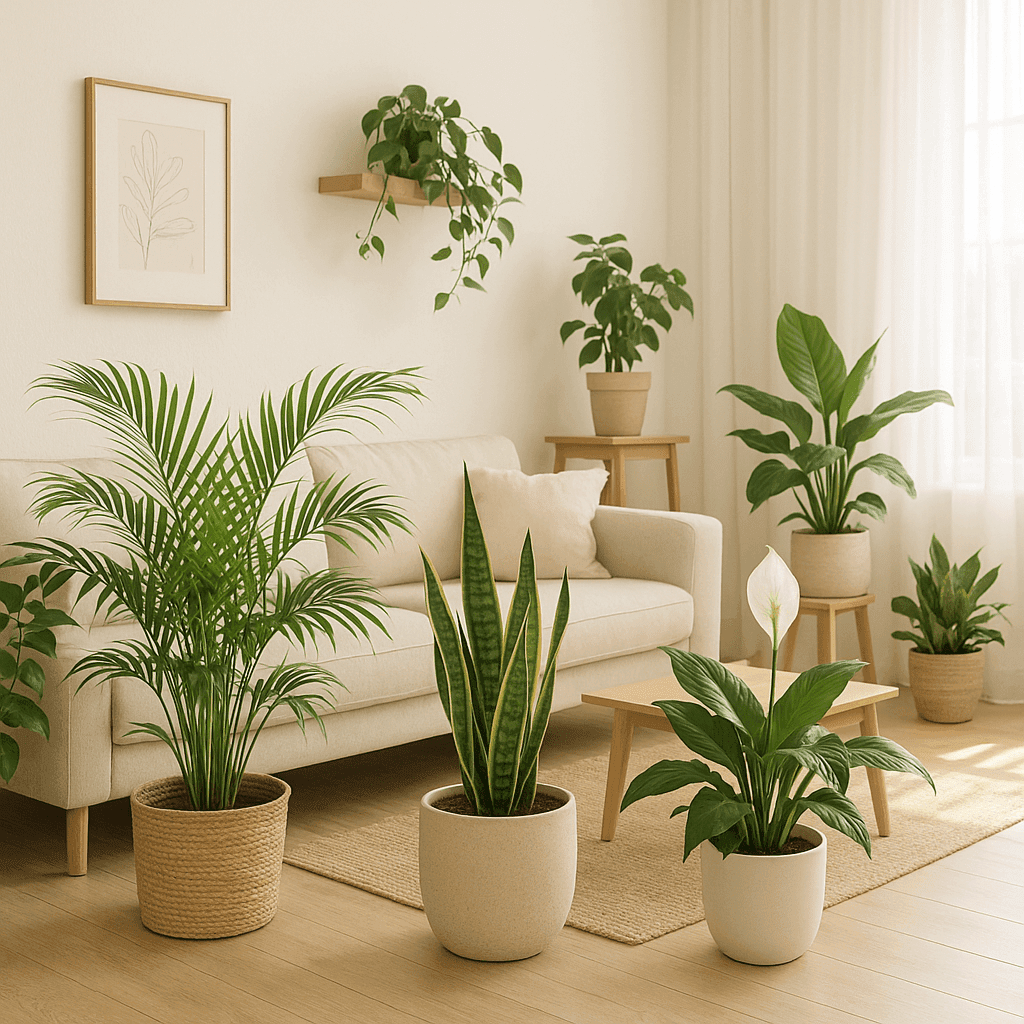
Air Purifying Plants Safe for Cats and Dogs
Spider plant, Boston fern, areca palm and bamboo palm are non-toxic to cats and dogs per the ASPCA. Peace lily, pothos and snake plant are toxic.
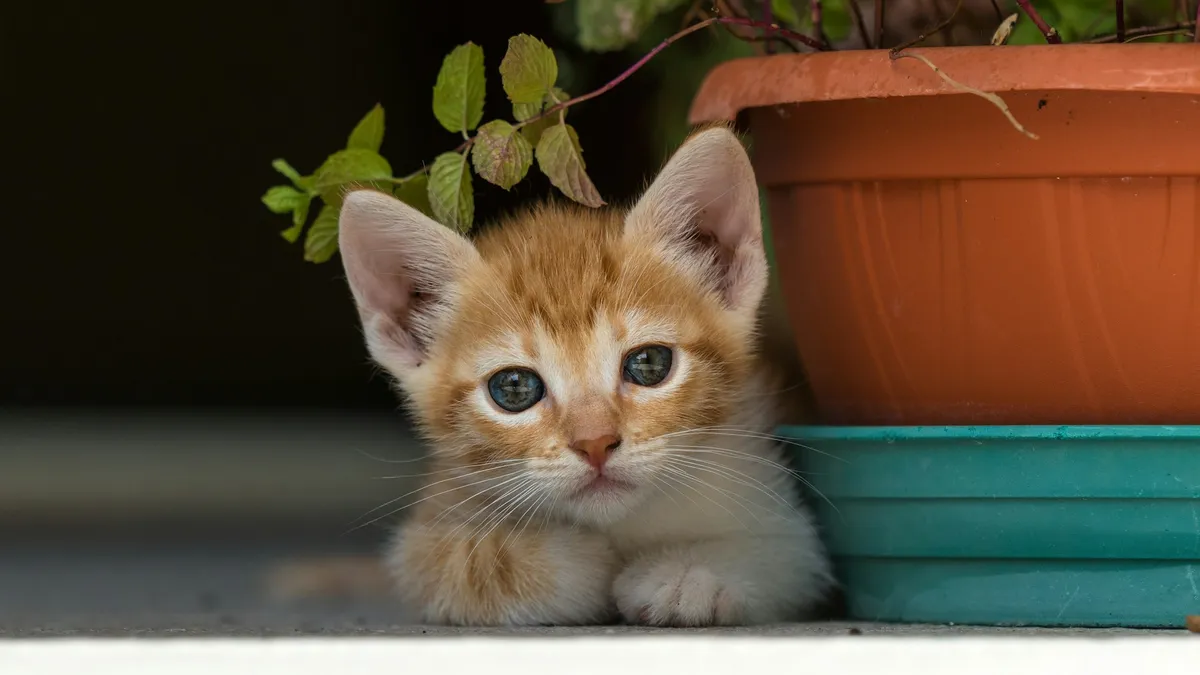
Spider plant, Boston fern, areca palm, bamboo palm, prayer plant and money tree are each listed by the ASPCA as non-toxic to dogs and to cats. None of them cleans room air in a measurable way, according to a 2019 review from Drexel University.
Pet-safe houseplants are therefore a decorating choice, not an air filter. Peace lily, pothos and snake plant are three popular air purifying picks that the ASPCA lists as toxic to both species.
In this article
- Which air purifying plants are safe for cats and dogs?
- Which common air purifying plants are toxic to cats and dogs?
- Do air purifying plants really clean indoor air?
- What should you do if a cat or dog chews a houseplant?
- How can you keep cats and dogs away from houseplants?
- Is a plant that the ASPCA calls non-toxic always safe?
- How do you decide which pet-safe plant to buy?
- Do plants still help a home feel better?
- Common questions about pet-safe air purifying plants
Which air purifying plants are safe for cats and dogs?
The air purifying plants safe for cats and dogs are the ones the ASPCA lists as non-toxic to both species. Six common houseplants meet that standard on the ASPCA pages.
| Plant | Dogs | Cats |
|---|---|---|
| Spider plant (Chlorophytum comosum) | Non-toxic | Non-toxic |
| Boston fern | Non-toxic | Non-toxic |
| Areca palm | Non-toxic | Non-toxic |
| Bamboo palm | Non-toxic | Non-toxic |
| Prayer plant | Non-toxic | Non-toxic |
| Money tree | Non-toxic | Non-toxic |
Non-toxic does not mean edible. The ASPCA notes that eating any plant material may cause vomiting or stomach upset in dogs and cats, although plants marked non-toxic are not expected to be life-threatening.
Which common air purifying plants are toxic to cats and dogs?
The common air purifying plants that are toxic to cats and dogs include peace lily, pothos and snake plant. The ASPCA lists all three as toxic to dogs and to cats.
The next table gives the toxic principle and the clinical signs the ASPCA reports for each plant.
| Plant | Toxic principle | Signs reported by the ASPCA |
|---|---|---|
| Peace lily (Spathiphyllum) | Insoluble calcium oxalates | Burning and irritation of the mouth, tongue and lips, drooling, vomiting, difficulty swallowing |
| Pothos (devil's ivy) | Insoluble calcium oxalates | Oral irritation and pain, swelling of the mouth, tongue and lips, drooling, vomiting, difficulty swallowing |
| Snake plant (Sansevieria trifasciata) | Saponins | Nausea, vomiting, diarrhea |
Peace lily and pothos share one toxic principle, so the signs overlap. Snake plant acts through a different compound and mainly affects the digestive system.
Do air purifying plants really clean indoor air?
No, air purifying plants do not clean indoor air at a useful rate. A 2019 review by Bryan Cummings and Michael Waring of Drexel University examined about a dozen studies spanning 30 years, as reported in a Drexel University news summary.
The reviewers converted the lab results into a clean air delivery rate. Plants removed volatile organic compounds orders of magnitude more slowly than the normal air exchange in a building.
Matching a building's air handling, or even a couple of open windows in a house, would take 10 to 1,000 plants per square meter of floor space, as the release on the 2019 review reports. Natural and mechanical ventilation dilute pollutants far faster than leaves can remove them.
The claim that houseplants purify air comes from older chamber experiments. The review argues that a small sealed chamber does not predict how a potted plant behaves in a real room.
What does that mean for a pet owner choosing a plant?
A pet owner choosing a plant should pick for safety and appearance, not for air cleaning. A spider plant or Boston fern is a reasonable choice for a home with a cat or dog, but the reason is toxicity status, not air quality.
Readers who want the oxygen side of the question can read the guide to indoor plants for oxygen. Check any plant named there against the ASPCA database before buying it for a pet household.
What should you do if a cat or dog chews a houseplant?
A cat or dog that chews a houseplant needs a call to a veterinarian or poison hotline when the plant is toxic or unknown. The ASPCA lists a 24-hour emergency poison hotline at (888) 426-4435, and its plant pages note that a consultation fee may apply.
Seek urgent veterinary care when an animal drools heavily, vomits repeatedly or struggles to swallow. Those are the signs the ASPCA lists for peace lily and pothos.
Pet owners can work through the next steps in order.
- Remove the plant material from the animal's mouth and move the pet away from the plant.
- Identify the plant by its common and scientific name.
- Check the name in the ASPCA toxic and non-toxic plant database.
- Call a local veterinarian or the poison hotline if the plant is toxic or the species is unknown.
- Watch for drooling, vomiting, diarrhea or trouble swallowing, and go to an emergency clinic if they appear.
How can you keep cats and dogs away from houseplants?
Cats and dogs stay away from houseplants most reliably when the plants sit out of reach. Hanging planters, high shelves and closed rooms lower the chance of chewing, even for non-toxic species.
Toxic plants such as peace lily and pothos belong in a room the pet cannot enter. Many households simply choose the non-toxic species from the first table and skip the toxic ones.
Young children also explore plants with their mouths. The same shelf or hanging basket that keeps a leaf from a kitten keeps it from a toddler.
Is a plant that the ASPCA calls non-toxic always safe?
A plant that the ASPCA calls non-toxic is not expected to be life-threatening, but it is not guaranteed safe. The ASPCA states that its database is not exhaustive and that a plant may look different from the photo shown.
Use the exact species name when checking. The ASPCA page for each plant shows the common name, the scientific name and the toxicity status for dogs and cats.
Orchid is a family name that covers many plants, so look up the exact species in the ASPCA database before you buy one.
How do you decide which pet-safe plant to buy?
A pet-safe plant is best chosen by matching the ASPCA listing to the exact plant on the label. Garden centers often sell several plants under one common name, so the scientific name settles the question.
The next table turns the ASPCA listings into a simple buying decision.
| Situation | What to do |
|---|---|
| The plant is on the ASPCA non-toxic list for dogs and cats | Buy it, and still keep it out of reach of heavy chewers |
| The plant is listed as toxic to dogs or cats | Skip it, or keep it in a room the pet never enters |
| The label shows only a trade name | Find the scientific name before buying |
| The database has no entry for the plant | Ask a veterinarian before buying |
Pet-safe plant shopping works the same way for a pet-safe home with a baby. Parents can place plants out of reach while a child is mouthing everything.
Do plants still help a home feel better?
Plants can still make a home feel calmer, but the Drexel review did not measure that effect. The Drexel review concerns volatile organic compounds only, not mood or stress.
Better ventilation and cleaning habits remain the evidence-backed route to cleaner room air.
Common questions about pet-safe air purifying plants
Is a spider plant safe for cats and dogs?
Yes, a spider plant is safe in the sense that the ASPCA lists it as non-toxic to dogs and to cats. Eating a large amount may still upset the stomach.
Is a peace lily safe for cats and dogs?
No, a peace lily is not safe for cats or dogs. The ASPCA lists it as toxic to both because of insoluble calcium oxalates.
Are palms safe for cats and dogs?
Some palms are. The ASPCA lists both areca palm and bamboo palm as non-toxic to dogs and cats, and other palms need a separate lookup by exact name.
How many plants would it take to purify a room?
Between 10 and 1,000 plants per square meter of floor space would be needed to match ordinary building ventilation, according to the 2019 review.
Action checklist
Choosing pet-safe houseplants
Use these checks before bringing a plant into a home with a cat or dog.
0 of 8 done