Sore After Massage: Is It Normal and How Long Does It Last?
Feeling sore after a massage is common and usually fades in a day or so. Learn why it happens, how to ease it, and which signs need a doctor.
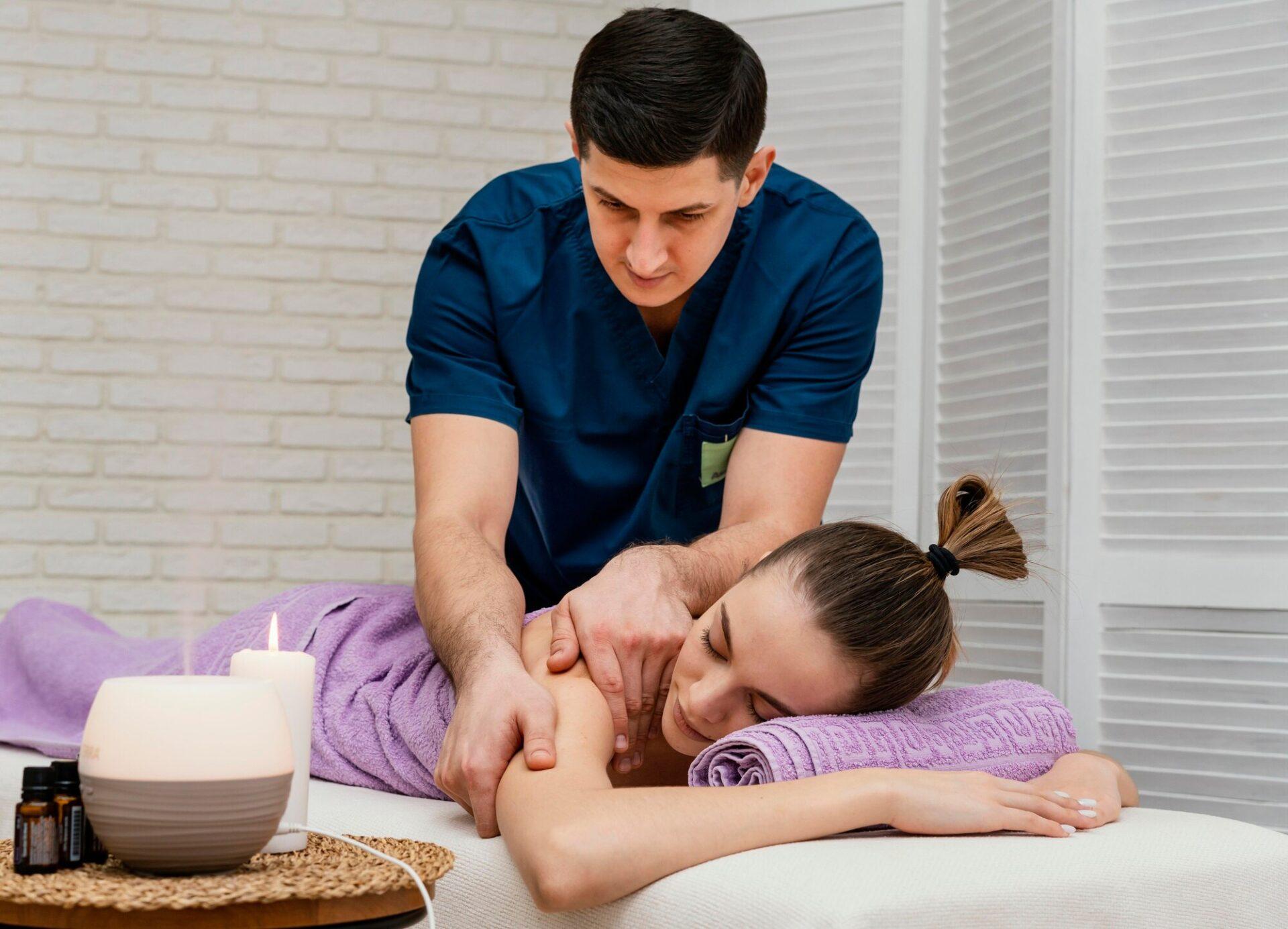
Soreness after a massage is normal and usually lasts from a few hours to about a day and a half, according to Cleveland Clinic. Healthline says the ache is a normal response to inflammation as the body heals, and it often feels like the soreness after a workout.
Deep tissue work and a first massage are the most likely triggers. Pain that is severe or lasts longer than a couple of days is a reason to see a provider.
In this article
- Is it normal to be sore after a massage?
- Why do muscles feel sore after a massage?
- Why does deep tissue massage cause more soreness?
- Is it good to be really sore after a massage?
- How can you ease soreness after a massage?
- How can you prevent soreness next time?
- Is it normal to feel bruised after a massage?
- What is a red flag after a massage?
- Sore after massage questions
Is it normal to be sore after a massage?
Being sore after a massage is normal, especially after a first massage or a long gap. Cleveland Clinic says sore or tight muscles are common after a massage, and muscles that are not used to massage are more likely to feel it, per Healthline. The table below compares common soreness patterns and the usual response to each one.
| What you feel | How long | Usual response |
|---|---|---|
| Mild ache or tightness, like after a workout | A few hours to about a day and a half | Water, gentle movement, warmth |
| Stronger soreness after deep tissue work | Often longer than after a light massage | Rest, heat or cold, tell the therapist next time |
| Intense soreness | Longer than a couple of days | See a healthcare provider |
| Neck or back pain with an unclear cause | Any length | See a doctor, per Healthline |
Treat the table as a guide only. Pain that feels sharp, or that feels like injury and not like worked muscle, deserves a call to a provider.
Why do muscles feel sore after a massage?
Muscles feel sore after a massage because pressure and manipulation stress the tissue. Cleveland Clinic lists 5 reasons for soreness after a massage:
- Muscle manipulation, where pressure breaks up spasms or small scars in muscle fibres.
- An inflammation response to the manipulation.
- Dehydration, which can add to the soreness.
- Tense muscles, where working out a knot causes soreness.
- Individual sensitivity, since some people react strongly even to gentle massage.
WebMD calls this delayed onset muscle soreness, which starts a few hours or days after a massage. WebMD lists movement, inflammation, dehydration, muscle tension and individual sensitivity as possible causes, the same pattern Cleveland Clinic describes.
Healthline adds that massage can reveal areas of tension that a person has been holding, such as the neck after desk work. Many people notice that the sore spot after a massage is the same spot that felt tight beforehand.
Why does deep tissue massage cause more soreness?
Deep tissue massage causes more soreness because it applies deeper pressure, according to Cleveland Clinic. Healthline also says deep tissue massage is more likely to cause soreness than gentler styles.
WebMD states that deep tissue massage is not for everyone. WebMD lists people with fractures, easy bruising, high blood pressure, diabetes, heart conditions or open wounds as groups who should wait for a doctor's approval, and it advises the same for pregnancy, blood thinners and blood clots.
Our comparison of chiropractors and deep tissue massage explains how the two approaches differ. Tell a massage therapist when pressure moves from relief to pain, because Cleveland Clinic advises speaking up when a technique feels like pain instead of therapy.
Is it good to be really sore after a massage?
No, being really sore after a massage is not a goal and not a sign of a better session. Mild soreness is acceptable, but heavy soreness is not a measure of benefit.
Cleveland Clinic advises talking to a provider when intense soreness lasts beyond a couple of days. Healthline gives the same advice for pain that is severe or long-lasting, because it may signal an underlying condition or an untreated injury.
How can you ease soreness after a massage?
You can ease soreness after a massage with water, gentle movement and warmth. The steps below combine the Cleveland Clinic and Healthline suggestions in a practical order.
- Drink water before and after the session. Healthline suggests avoiding alcohol, sugary drinks and caffeine.
- Stretch the sore areas gently to release tension and support circulation.
- Use heat, such as a warm bath or shower. Healthline suggests soaking for up to 30 minutes or using a heating pad for up to 15 minutes at a time.
- Use cold when the area feels swollen. Healthline suggests an ice pack for 15 minutes at a time, a few times per day.
- Rest, and avoid strenuous activity.
- Walk or do light stretching or gentle yoga for easy movement.
- Ask a provider before taking a pain reliever such as ibuprofen or acetaminophen, per Cleveland Clinic.
Daily habits matter between sessions. Check desk posture with the posture and back pain self-check, which screens habits and does not diagnose a cause of pain.
How can you prevent soreness next time?
You can prevent some soreness by drinking water and telling the therapist what pressure suits you. Cleveland Clinic lists hydration and gentle stretching among its prevention tips, and the same source advises sharing past injuries, fractures or conditions with both the provider and the therapist.
A lighter first session may reduce soreness, since muscles that are not used to massage are more likely to get sore, per Healthline. Neck tension from desk work is a frequent target, and our guide to neck pain care options covers what else can help.
Is it normal to feel bruised after a massage?
Feeling bruised after a massage is not the usual effect, which name muscle soreness instead. A deep pressure session can leave tender spots, and Healthline recommends seeing a doctor when pain is severe or long-lasting.
Healthline says anyone taking blood thinners, or with a bleeding disorder, should talk to a doctor before a massage. Visible bruising in that group is a good reason to ask a provider.
What is a red flag after a massage?
A red flag after a massage is pain that is severe, lasts longer than a couple of days, or involves the neck or back for an unclear reason. Those points come from Cleveland Clinic and Healthline.
The National Center for Complementary and Integrative Health says the risk of harmful effects from massage appears to be low. The agency notes rare reports of serious effects such as a blood clot, nerve injury or bone fracture, mostly tied to vigorous massage such as deep tissue work, or to people at higher risk, such as older adults.
Healthline lists conditions to discuss with a doctor before a massage:
- Cancer.
- Pregnancy.
- Burns or wounds.
- A fracture.
- A bleeding disorder or severe thrombocytopenia.
- Deep vein thrombosis, or taking blood thinners.
- Severe osteoporosis.
Seek urgent care for calf pain with swelling, chest pain or shortness of breath after a massage, since these can signal a blood clot. Anyone with a medical problem should not delay seeing a provider because of a massage, says the NCCIH. Our page on what is released after a massage covers the common detox claims.
Sore after massage questions
How long does soreness last after a massage?
Soreness after a massage lasts a few hours to about a day and a half in most cases, per Cleveland Clinic. Healthline says it usually fades within a day or so.
Is deep tissue massage safe for everyone?
Deep tissue massage is not for everyone, according to WebMD. The NCCIH links the rare serious cases to vigorous deep tissue work or to people at higher risk of injury, so a conversation with a provider comes first when a medical condition is present.
Should you exercise after a massage?
You should keep exercise light after a massage because Cleveland Clinic advises rest and avoiding strenuous activity. Light walking and gentle stretching are suggested instead.
Is heat or ice better for a sore muscle after a massage?
Heat or ice can both help, and warmth suits tightness while cold suits a swollen feel. Healthline lists both options, and personal comfort decides which one to use.
Action checklist
After-massage soreness checklist
Use these steps from the article to ease soreness and know when to ask for help.
0 of 10 done