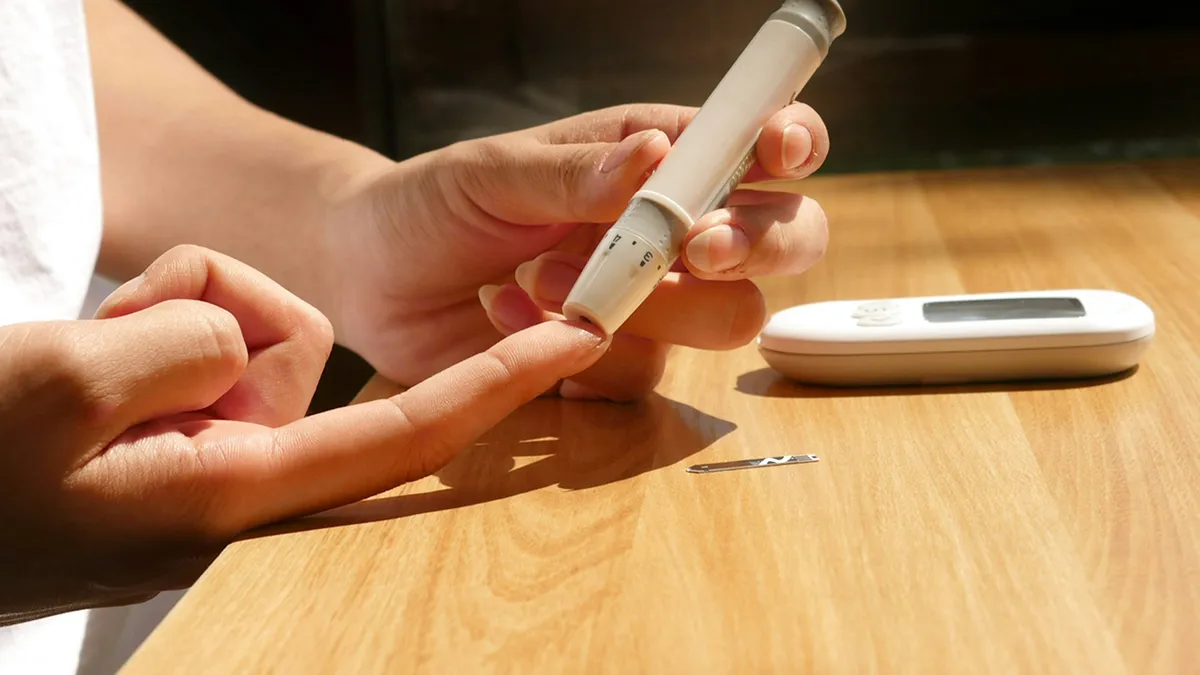
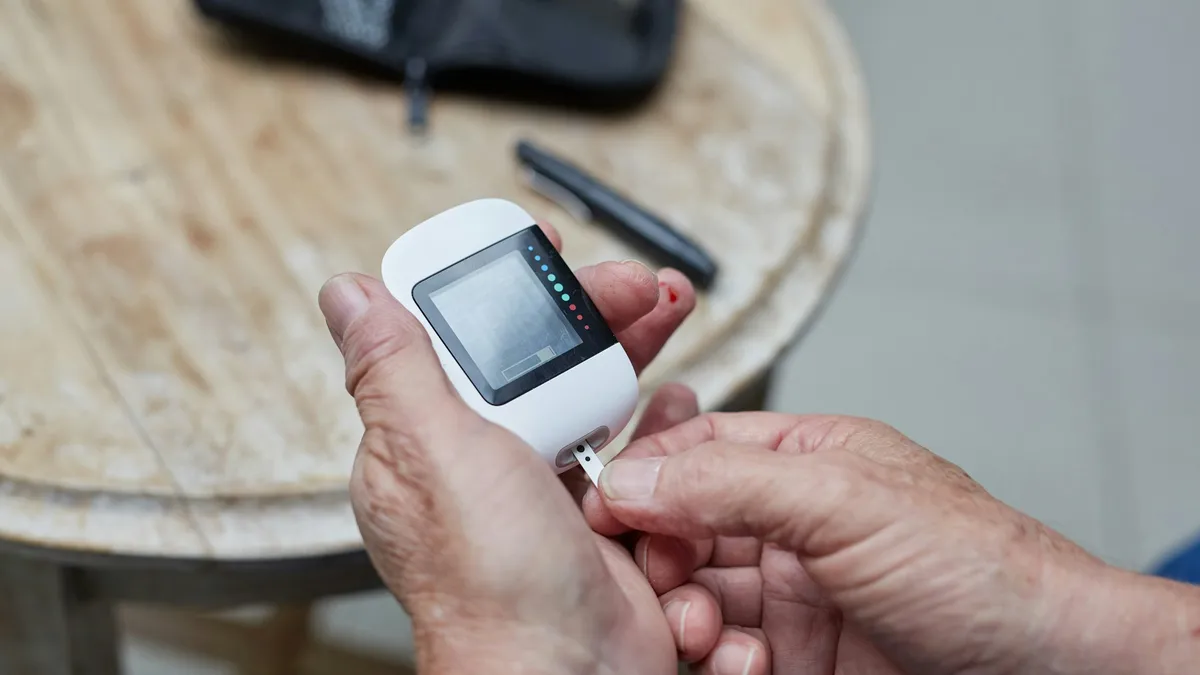
Normal Blood Sugar After Eating: 1 Hour and 2 Hours
Normal blood sugar after eating is under 140 mg/dL without diabetes and under 180 mg/dL as a target with diabetes. See 1 and 2 hour values in both units.
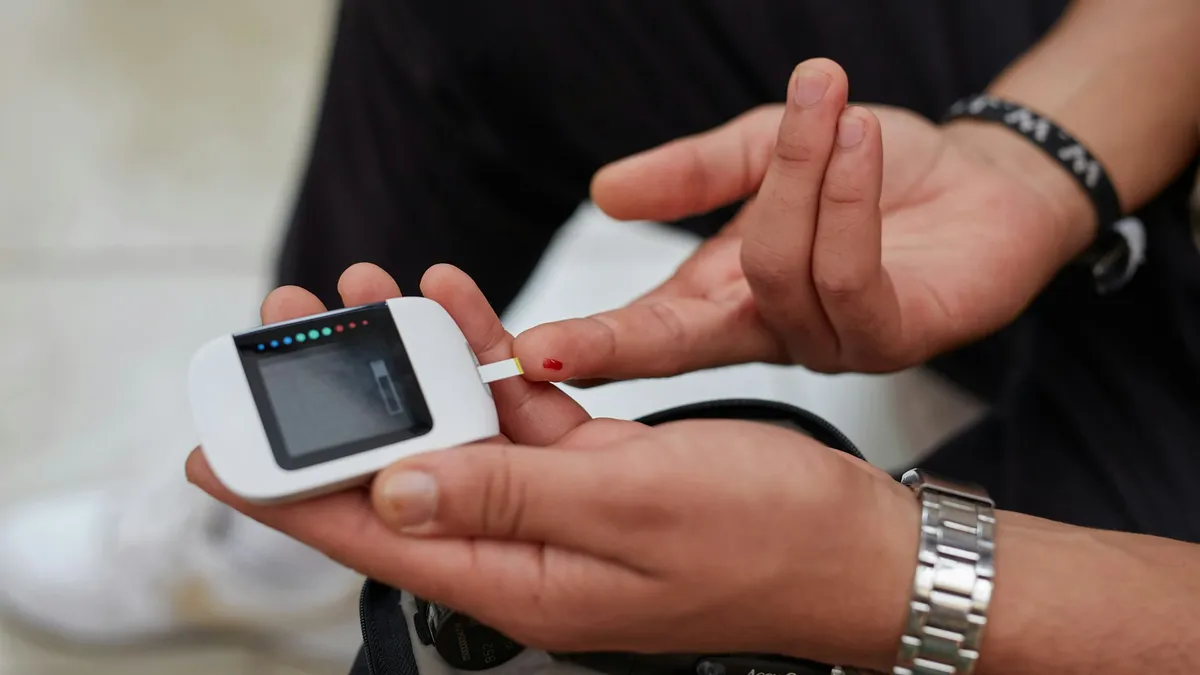
Normal blood sugar after eating stays under 140 mg/dL (7.8 mmol/L) in adults without diabetes, according to Healthline. Adults with diabetes have an American Diabetes Association (ADA) target under 180 mg/dL (10.0 mmol/L) at about 1 to 2 hours after the start of a meal, as MedlinePlus also reports.
Change any meter reading between units with the blood sugar converter, then compare the result with the ranges below. The numbers here describe typical reference points, not a diagnosis.
In this article
- What is normal blood sugar after eating?
- What is normal blood sugar 1 hour after eating?
- What is normal blood sugar 2 hours after eating?
- Is 180 mg/dL after eating a diagnostic limit?
- What if my blood sugar is 240 after eating?
- Is 7.5 blood sugar high after eating?
- What is the 15 minute rule for blood sugar?
- How can a person track blood sugar after eating?
- What is the danger level of sugar after a meal?
- How do mmol/L readings convert to mg/dL after a meal?
- What does a blood sugar reading after eating not tell you?
- What else do people ask about blood sugar after meals?
What is normal blood sugar after eating?
Normal blood sugar after eating is under 140 mg/dL in adults without diabetes and under 180 mg/dL as a treatment target for many adults with diabetes. The values depend on who is being tested and when the reading is taken.
The table sets out the after-meal reference values from the sources cited, in both units.
| Group | When measured | mg/dL | mmol/L |
|---|---|---|---|
| Adults without diabetes | After a meal | Under 140 | Under 7.8 |
| Adults with diabetes (typical ADA target) | 1 to 2 hours after the start of a meal | Under 180 | Under 10.0 |
| Adults with diabetes (typical ADA target) | Before a meal | 80 to 130 | 4.4 to 7.2 |
Individual targets differ. The MedlinePlus guidance tells people with diabetes to confirm their own numbers with a health care team.
What is normal blood sugar 1 hour after eating?
Normal blood sugar 1 hour after eating has no separate official limit. The ADA frames the window as 1 to 2 hours after the start of the meal, as Healthline reports when it links its under 180 mg/dL target to the ADA Standards of Care.
Healthline gives one value for adults without diabetes, under 140 mg/dL, and notes that readings are usually taken 1 to 2 hours after eating begins. A reading of 7.5 mmol/L at the 1-hour mark therefore sits inside that range.
What is normal blood sugar 2 hours after eating?
Normal blood sugar 2 hours after eating is under 140 mg/dL for adults without diabetes and under 180 mg/dL for the typical diabetes target. The clock starts with the first bite, not with the last.
MedlinePlus lists the same two-hour target for people with diabetes: under 180 mg/dL, counted from the start of the meal. Some websites quote stricter figures such as 120 mg/dL, but the major guidelines do not use that number.
Is 180 mg/dL after eating a diagnostic limit?
No, 180 mg/dL after eating is not a diagnostic limit. The figure is a treatment target that doctors use to judge how well diabetes care is working.
Diabetes is diagnosed with the tests in the table, using cutoffs from the ADA as listed by the National Institute of Diabetes and Digestive and Kidney Diseases (NIDDK).
| Test | Normal | Prediabetes | Diabetes |
|---|---|---|---|
| A1C | Below 5.7% | 5.7% to 6.4% | 6.5% or above |
| Fasting plasma glucose | 99 mg/dL or below (5.5 mmol/L) | 100 to 125 mg/dL (5.6 to 6.9) | 126 mg/dL or above (7.0) |
| Oral glucose tolerance test, 2 hours | 139 mg/dL or below (7.7) | 140 to 199 mg/dL (7.8 to 11.1) | 200 mg/dL or above (11.1) |
These cutoffs apply to people who are not pregnant. The two-hour glucose tolerance test is a timed laboratory test after a measured drink, so a reading after an ordinary meal cannot be compared with its 140 and 200 lines. The A1C chart explains the first row in more detail.
What if my blood sugar is 240 after eating?
A blood sugar of 240 mg/dL (13.3 mmol/L) after eating is above the under 180 target used for adults with diabetes. One reading does not diagnose anything, yet a result this high deserves a call to a doctor.
A random plasma glucose of 200 mg/dL or above counts toward a diabetes diagnosis when symptoms are present, according to the NIDDK table above. MedlinePlus lists thirst, tiredness, headaches, frequent urination and blurred vision as signs of high blood glucose.
People who already have diabetes should follow their care plan and contact their care team about repeated highs. Seek urgent care or call 911 or your local emergency number for confusion, fainting or severe symptoms.
Is 7.5 blood sugar high after eating?
A blood sugar of 7.5 is not high after eating when the meter reads in mmol/L. The value equals 135 mg/dL (7.5 x 18), which is under the 140 mg/dL reference for adults without diabetes and well under the 180 mg/dL target.
Meters in the United States show mg/dL, so a figure such as 7.5 normally signals mmol/L, the unit used in the UK and Canada. A mix-up of units is the quickest way to misread an after-meal result.
What is the 15 minute rule for blood sugar?
The 15 minute rule for blood sugar is a treatment for low readings, not for high readings after meals. The NIDDK describes it as 15 to 20 grams of fast-acting carbohydrate, then a recheck after 15 minutes, repeated if the level is still low, in its low blood glucose guidance.
A person without diabetes can also drop too low a few hours after a meal. That pattern is covered in low blood sugar without diabetes.
How can a person track blood sugar after eating?
Tracking blood sugar after eating takes a timer, a meter or sensor, and a short log. Following the same routine at each meal makes the numbers comparable.
- Note the time of the first bite, because the 1 to 2 hour window starts there.
- Check at the time the care team recommends, usually 1 to 2 hours later.
- Write down the reading, its unit and what was eaten.
- Compare the result with the target set by the doctor, not with a chart alone.
- Bring the log to appointments so patterns are visible.
An after-meal reading shows one moment. The A1C test measures average blood sugar over the past 3 months, according to the Centers for Disease Control and Prevention (CDC), so the two tests answer different questions.
Daily habits that people discuss with their doctors include a short walk, covered in walking after eating. Readings that run high only before breakfast have their own causes, explained in high blood sugar in the morning.
What is the danger level of sugar after a meal?
The danger level of sugar after a meal has no single number. The firm reference points are the under 180 mg/dL target for adults with diabetes and the 200 mg/dL line used on the glucose tolerance test and for random readings with symptoms.
Readings that stay well above those lines, or come with thirst, blurred vision or frequent urination, call for medical advice. Severe symptoms call for urgent care.
How do mmol/L readings convert to mg/dL after a meal?
Converting mmol/L readings to mg/dL after a meal means multiplying by 18. The table shows common after-meal readings in both units next to the reference points covered above.
| mmol/L | mg/dL | Position against the reference points |
|---|---|---|
| 5.5 | 99 | Well under 140 mg/dL |
| 7.0 | 126 | Under 140 mg/dL |
| 7.8 | 140 | At the no-diabetes reference of 140 mg/dL |
| 10.0 | 180 | At the diabetes after-meal target |
| 11.1 | 200 | At the 200 mg/dL diagnostic line for the glucose tolerance test |
| 13.3 | 240 | Above both lines |
The conversion factor is 18 in all rows, so the blood sugar converter gives the same answers as the table.
What does a blood sugar reading after eating not tell you?
A blood sugar reading after eating does not tell you whether you have diabetes. The reading captures one moment, shaped by the meal, the timing and the person.
The reading also does not replace the A1C average or a doctor's judgment. A person with diabetes should ask which after-meal check, if any, the care plan includes.
What else do people ask about blood sugar after meals?
Does one high reading after a meal mean diabetes?
No, one high reading after a meal does not mean diabetes. Diagnosis rests on A1C, fasting glucose or a glucose tolerance test, usually repeated to confirm, as the CDC and NIDDK pages describe.
Can blood sugar after eating be normal and still cause symptoms?
Yes, symptoms can appear with normal readings. Healthline describes idiopathic postprandial syndrome, with shakiness and tiredness up to 4 hours after eating while blood sugar stays in range.
Can prediabetes change after-meal readings?
Prediabetes is defined by an A1C of 5.7% to 6.4%, and many people can act on it early. The page on reversing prediabetes covers what doctors suggest.
Action checklist
Check blood sugar after a meal
Use these steps to take an after-meal reading you can compare with your target.
0 of 8 done