Walking After Eating: Does It Lower Blood Sugar?
Does walking after eating lower blood sugar? See what trials show, how many minutes help, who should take care and how to convert your readings.
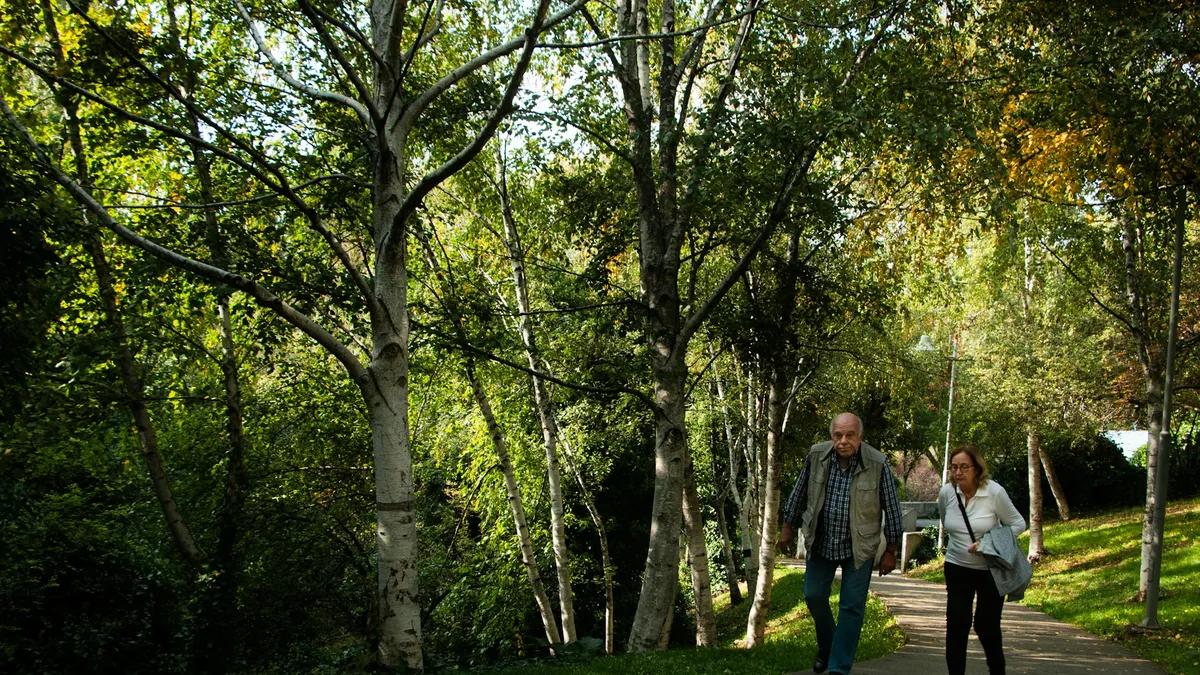
Yes, walking after eating lowers blood sugar after meals in controlled trials. A 2022 meta-analysis in Sports Medicine found that light walking reduced post-meal glucose compared with sitting. A short walk of 2 to 5 minutes can help, according to Cleveland Clinic.
Readings from a meter or a sensor may use mg/dL or mmol/L, so convert them with the blood sugar converter before comparing results with the numbers below.
In this article
- Does walking after eating lower blood sugar?
- How long should you walk after eating?
- Why does walking after eating lower blood sugar?
- How much does a walk after eating lower blood sugar?
- Does walking raise blood sugar?
- Is walking after eating safe if you have diabetes?
- Can a walk after meals replace diabetes medication?
- What does a walk after eating not do?
- What else helps blood sugar after meals?
- Common questions about walking after eating
Does walking after eating lower blood sugar?
Yes, walking after eating lowers blood sugar compared with sitting. The table below summarizes what the main trials and reviews found.
| Source | Who and what | Finding on post-meal glucose |
|---|---|---|
| Buffey 2022, Sports Medicine | Seven one-day randomized crossover trials comparing sitting, standing and light walking | Light walking lowered glucose versus sitting, and also versus standing |
| Reynolds 2016, Diabetologia | 41 adults with type 2 diabetes, 2 weeks each: 10-minute walks after meals versus one 30-minute daily walk | Post-meal walks gave about 12% lower glucose over 3 hours after meals |
| UCLA Health summary | A review of seven studies on sitting, standing and walking | A five-minute walk had a measurable effect within 60 to 90 minutes |
The Reynolds trial reports a ratio of geometric means of 0.88, which press coverage describes as a 12% average drop. Evening meals showed the largest change, a 22% reduction according to the University of Otago.
Most of these trials are short. They show an acute effect on one meal, not long-term disease control.
How long should you walk after eating?
You should walk for about 2 to 10 minutes after eating to see an effect in the studies. Cleveland Clinic cites 2 to 5 minutes, and the Reynolds trial used 10 minutes.
The walk in the Reynolds trial began within 5 minutes of finishing the meal. Cleveland Clinic notes that blood sugar peaks about 30 to 90 minutes after a meal, so a walk during that window targets the rise.
A simple routine based on those trials has four steps.
- Finish the meal and stand up instead of sitting.
- Start a light walk within about 5 minutes of the last bite.
- Keep an easy pace for 2 to 10 minutes.
- Start with the largest meal of the day, then add other meals.
The fourth step is a practical suggestion, not a trial finding. It follows the Reynolds result that the evening meal showed the biggest drop.
Why does walking after eating lower blood sugar?
Walking after eating lowers blood sugar because active muscles pull glucose out of the blood. UCLA Health explains that working muscles use more glucose and become more responsive to insulin.
Cleveland Clinic states that a short walk keeps blood sugar from rising as high as it would while seated, and that regular activity helps the body use insulin more effectively over time.
Spikes matter because sharp rises and drops in blood sugar are linked with cardiovascular risk, according to the UCLA article. A gentler curve after meals is the aim of a post-meal walk.
How much does a walk after eating lower blood sugar?
A walk after eating lowered blood sugar by about 12% in the Reynolds trial, measured across 3 hours. The outcome was the incremental area under the glucose curve, which tracks the whole rise after a meal, not the peak reading.
A 12% lower area does not mean a peak that is 12% lower. Individual results vary with the meal, the person and the pace.
No fixed drop in mg/dL applies to a 20-minute walk. Treat any exact number from an app or a post as a guess, and compare your own readings before and after a few walks.
Many people find the habit easy to start because the walk is short. A phone call or a loop around the block is enough to fit one in.
Does walking raise blood sugar?
Walking did not raise blood sugar in the trials. Light walking lowered post-meal glucose in the Sports Medicine review and the Reynolds trial.
Hard exercise can behave differently, and Cleveland Clinic warns that a hard workout can push levels too low for people on glucose-lowering medicine. Ask a clinician about unusual readings after intense exercise.
Is walking after eating safe if you have diabetes?
Walking after eating is usually safe with diabetes, but medicines can cause low blood sugar. Cleveland Clinic says a short walk is unlikely to cause a low, while a hard workout could, if you take glucose-lowering medication.
A low reading means blood sugar below 70 mg/dL. Cleveland Clinic advises testing before and after activity and keeping fast-acting carbohydrate nearby, such as glucose tablets or gel.
Typical targets for adults with diabetes are 80 to 130 mg/dL before a meal and under 180 mg/dL one to two hours after a meal begins. Your own targets may differ, so follow your care team.
Confusion, fainting or a seizure after a low reading needs emergency help. Call 911 or your local emergency number.
Can a walk after meals replace diabetes medication?
No, a walk after meals does not replace diabetes medication. A post-meal walk has not been compared with metformin in these trials.
Some people ask whether 10 minutes of walking beats a medicine. The Reynolds trial compared two walking plans only and its participants had type 2 diabetes.
Do not stop or change medicine without your clinician. Walking is an addition to treatment, not a substitute.
What does a walk after eating not do?
A walk after eating does not cancel a high-sugar meal. The trials measure a lower rise, not a normal reading for everyone.
The effect is also small and acute. A walk helps one meal, while diet, sleep, medication and body weight shape long-term control.
Standing helps too, but much less than walking. UCLA Health reports that standing had a smaller effect, and the Sports Medicine review found walking beat standing.
A walk is not a test. A single reading cannot diagnose or rule out diabetes, so ask a doctor about an A1C test, explained in the A1C chart.
What else helps blood sugar after meals?
Meal choices, daily steps and weight management also help blood sugar after meals. The page on blood sugar after eating explains normal ranges and why readings rise.
A daily step target in how many steps a day gives the larger picture around post-meal walks. Readers with a raised A1C can also read can prediabetes be reversed.
Cleveland Clinic and UCLA Health both pair walking with diet. UCLA Health suggests limiting sugar, simple carbohydrates and highly processed foods, and aiming for 25 to 30 grams of fiber a day.
Common questions about walking after eating
How soon after eating should you start walking?
You should start walking soon after the meal, ideally within about 5 minutes of finishing. The Reynolds trial used that window, and a gentle pace avoids discomfort from walking on a full stomach.
Is it better to walk before or after eating?
Walking after a meal gives a larger drop in post-meal glucose than walking before it. A 2023 meta-analysis of exercise timing reports that walking as soon as possible after a meal had the greater acute benefit.
Does walking after dinner work better than after breakfast?
In the Reynolds trial, the evening meal showed the largest reduction at 22%. The trial did not show that walking after breakfast fails, only that the evening effect was larger.
Can short walks replace one long walk?
For post-meal glucose, three 10-minute walks beat one 30-minute walk in the Reynolds trial. A long walk still has other benefits that the trial did not measure.
Action checklist
Try a post-meal walk safely
Start small, time it after the biggest meal and keep your care team informed.
0 of 8 done