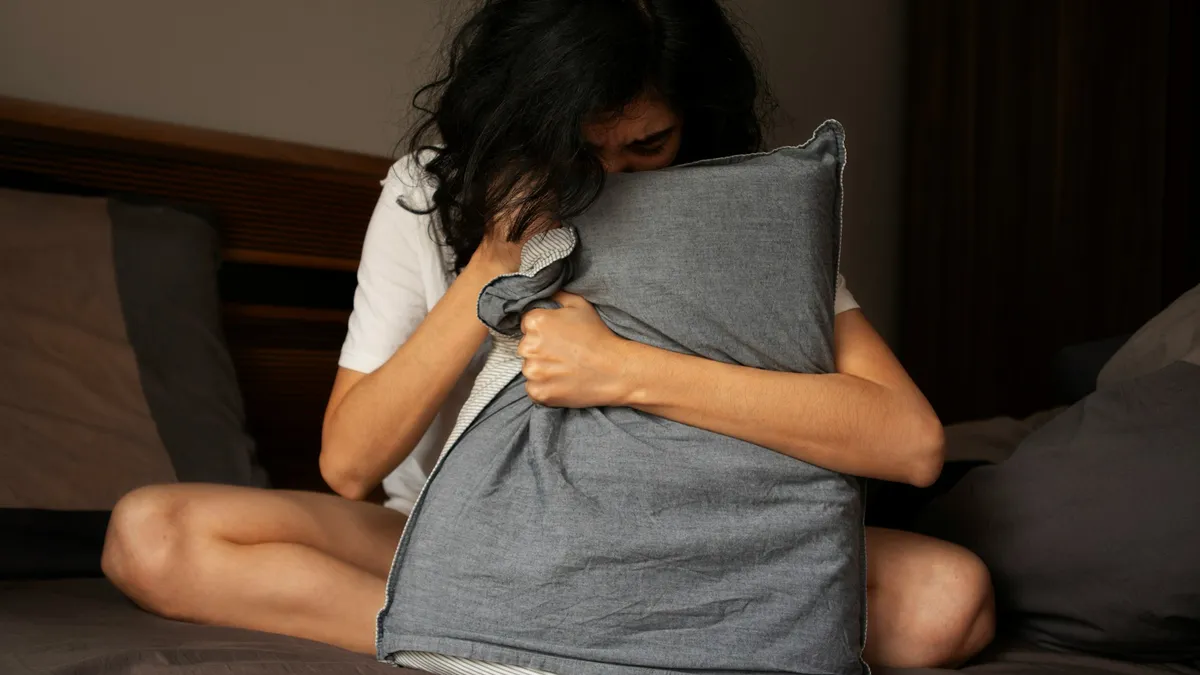
Anxiety Chest Pain vs Heart Attack: When to Call 911
New, severe or unexplained chest pain means call 911. See how anxiety chest pain and heart attack pain differ, why symptoms overlap, and what to do next.
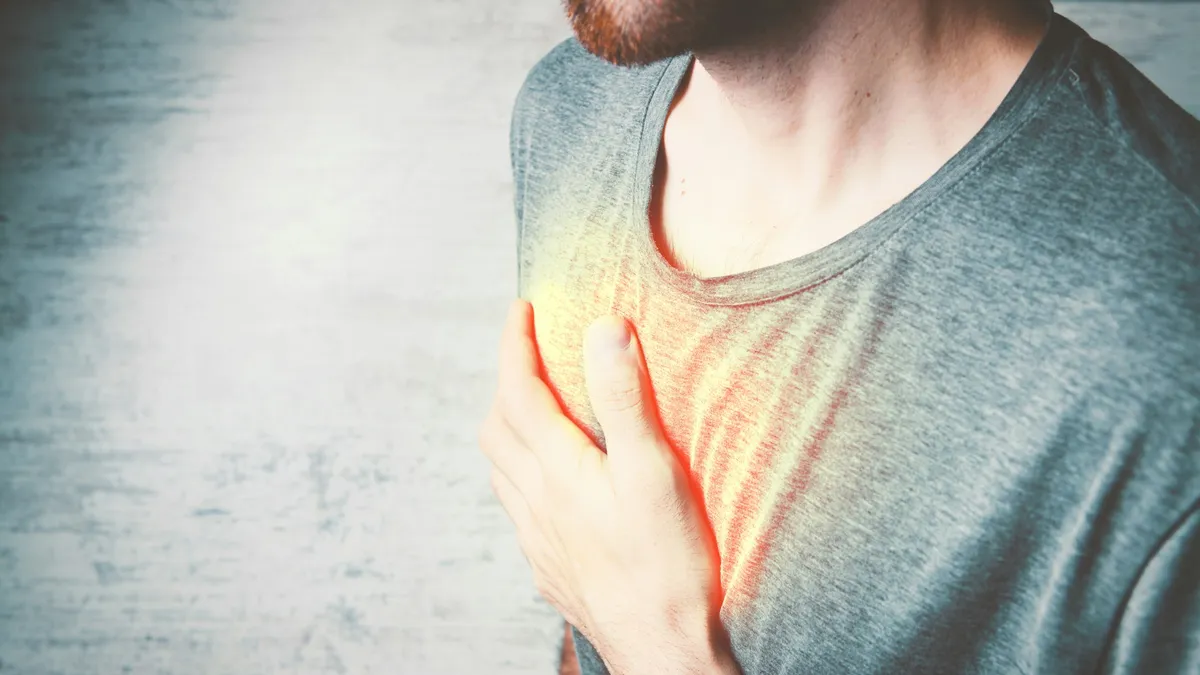
New, severe or unexplained chest pain means call 911 or your local emergency number. No one can rule out a heart attack from symptoms alone, and the American Heart Association advises calling 911 for any heart attack warning sign, even when the cause is unsure.
Anxiety and panic attacks can cause real chest pain, and the pattern can look like a heart attack. The guide below explains how the two differ, why the difference is hard to judge at home, and what to do next.
In this article
- Is chest pain from anxiety or a heart attack?
- What are the warning signs that need 911?
- How does anxiety chest pain differ from heart attack chest pain?
- Can anxiety cause chest pain at all?
- Who should never assume chest pain is anxiety?
- What does anxiety chest pain feel like for the person?
- What should you do while the pain is happening?
- How is anxiety chest pain treated afterward?
- Anxiety chest pain questions
Is chest pain from anxiety or a heart attack?
Chest pain from anxiety or a heart attack cannot be told apart reliably without a medical check. Both can cause chest discomfort, a racing or pounding heartbeat, shortness of breath, faintness and nausea, according to the American Heart Association.
Doctors advise against gambling on the answer. The AHA quotes a cardiologist who says a person should not take a chance on it not being a heart attack.
Anxiety chest pain is real pain. The sections below describe how the two usually differ, but the list of differences is a guide for understanding, not a test to use during an emergency.
What are the warning signs that need 911?
The warning signs that need 911 include chest discomfort, upper body pain, shortness of breath and cold sweat, based on the AHA warning signs page. The list below covers the signs named there.
- Chest discomfort, usually in the center of the chest, that lasts several minutes or comes and goes, often described as pressure, squeezing, fullness or pain.
- Pain or discomfort in one or both arms, the back, neck, jaw or stomach.
- Shortness of breath, with or without chest discomfort.
- Cold sweat, nausea, a rapid or irregular heartbeat, unusual fatigue or lightheadedness.
Some heart attacks are sudden and intense, while others start slowly with mild symptoms. Calling 911 is usually the fastest way to get treatment, because emergency teams can begin care on arrival and arrange rapid transport.
Chest pain that is new for you, severe, unexplained or lasting more than a few minutes needs the same response: call 911 or your local emergency number.
How does anxiety chest pain differ from heart attack chest pain?
Anxiety chest pain tends to be sharp, short-lived and linked to fear, while heart attack pain tends to be pressure that does not let up. The table compares the patterns reported by the AHA and the Cleveland Clinic.
| Feature | Panic attack or anxiety | Heart attack |
|---|---|---|
| Onset | Comes on quickly | Often starts slowly and worsens over a few minutes |
| Peak | Generally about 10 minutes | Can come in waves and does not let up |
| Pain quality | Often sharp, stabbing or hard to describe | Pressure, squeezing, or an achy, burning feeling |
| Spread | Typically stays in the chest | Can spread to the arm, jaw, neck or back |
| Usual trigger | Emotional stress | Often physical exertion |
| Length | A few minutes up to an hour | Persists without medical treatment |
| Fear | Intense fear is the hallmark | Fear may also occur |
The Cleveland Clinic adds that heart attack pain can come in waves, rising to a 9 or 10 on the pain scale and later dropping to a 3 or 4 before worsening again. A fading pain therefore does not prove the cause was anxiety.
Heart attack chest pain can also come and go for days or weeks beforehand, as angina.
Can anxiety cause chest pain at all?
Yes, anxiety can cause chest pain, and panic attacks are a common reason. Panic attacks come on quickly and generally reach peak intensity in about 10 minutes, according to the AHA.
The National Institute of Mental Health reports through the AHA that nearly 3% of U.S. adults, especially women, have panic disorder in a given year. Almost 5% have it at some time in life.
Anxiety chest pain is more likely a cause after a medical workup shows good heart health, especially when intense fear accompanies the physical symptoms. The workup comes first, and the label follows.
Who should never assume chest pain is anxiety?
No one should assume chest pain is anxiety, and people with heart attack risk factors need extra caution. Major risk factors named by the AHA include smoking, diabetes, high blood pressure and high cholesterol.
Women may have symptoms that look less like a typical heart attack. The AHA says chest pain or discomfort is still the most common symptom in women, but women are more likely to have shortness of breath, nausea, vomiting, pain in the shoulder, back or arm, unusual tiredness and anxiety.
The AHA also says women can be undertreated. A person who feels dismissed can say plainly that the symptoms are new and ask for a heart evaluation.
What does anxiety chest pain feel like for the person?
Anxiety chest pain often feels frightening, sudden and out of control, with a pounding heart and tight breathing. The heart can race well above its resting rate during a panic attack.
A racing heart that settles within minutes is common in panic, but repeated episodes warrant medical care. Many people describe a fear of dying during an attack, and that fear is itself a recognized symptom.
The experience can create a loop. Worry about the pain raises anxiety, and the extra anxiety can make the symptoms feel stronger.
What should you do while the pain is happening?
While chest pain is happening, call 911 first and sort out the cause later. The steps below follow the advice in the AHA and Cleveland Clinic guidance.
- Call 911 or your local emergency number if the pain is new, severe, unexplained or has any warning sign from the list above.
- Stop activity while waiting for help, and do not drive yourself to the hospital.
- Do not wait to see whether the pain goes away.
- Tell the emergency team about any previous panic attacks, heart conditions or medicines.
- Follow the clinician's advice about tests, and ask for a written summary of the results.
A panic attack that has been checked and cleared by a doctor is a different situation. A clinician may then explain how to handle future episodes.
How is anxiety chest pain treated afterward?
Anxiety chest pain is treated by treating the underlying anxiety or panic disorder, after the heart has been checked. A doctor can assess the anxiety and discuss options.
A short screening questionnaire can help structure that visit. The anxiety self-check gives an estimate of symptom level, and the guide to the GAD-7 score meaning explains how to read the result.
Readers who want a fuller list of body signs can read about the physical symptoms of anxiety. A practical overview of getting help for anxiety covers the next steps.
Anyone in distress who feels unsafe can call or text 988 in the United States through the 988 Suicide and Crisis Lifeline, which is open 24 hours a day. In a life-threatening situation, call 911.
Anxiety chest pain questions
How do you know if your chest pain is from anxiety?
You cannot know for sure at home. Sharp, short pain that stays in the chest and comes with intense fear fits anxiety, but a doctor must rule out the heart first.
Can anxiety chest pain cause a heart attack?
Anxiety chest pain is a different problem from a heart attack, but the two can feel alike, which is why new or severe pain needs a medical check.
How long does anxiety chest pain last?
Panic attack symptoms last a few minutes up to an hour, according to the Cleveland Clinic. Pain that lasts longer or does not let up needs a call to 911.
Action checklist
If you have chest pain
Use these steps when chest pain is new, severe or unexplained.
0 of 9 done