Mediterranean Diet vs Raw Food Diet: Which Is Better?
Mediterranean diet vs raw food diet: compare foods, weight loss, heart health, nutrient gaps and food safety, and see who should avoid a raw food diet.
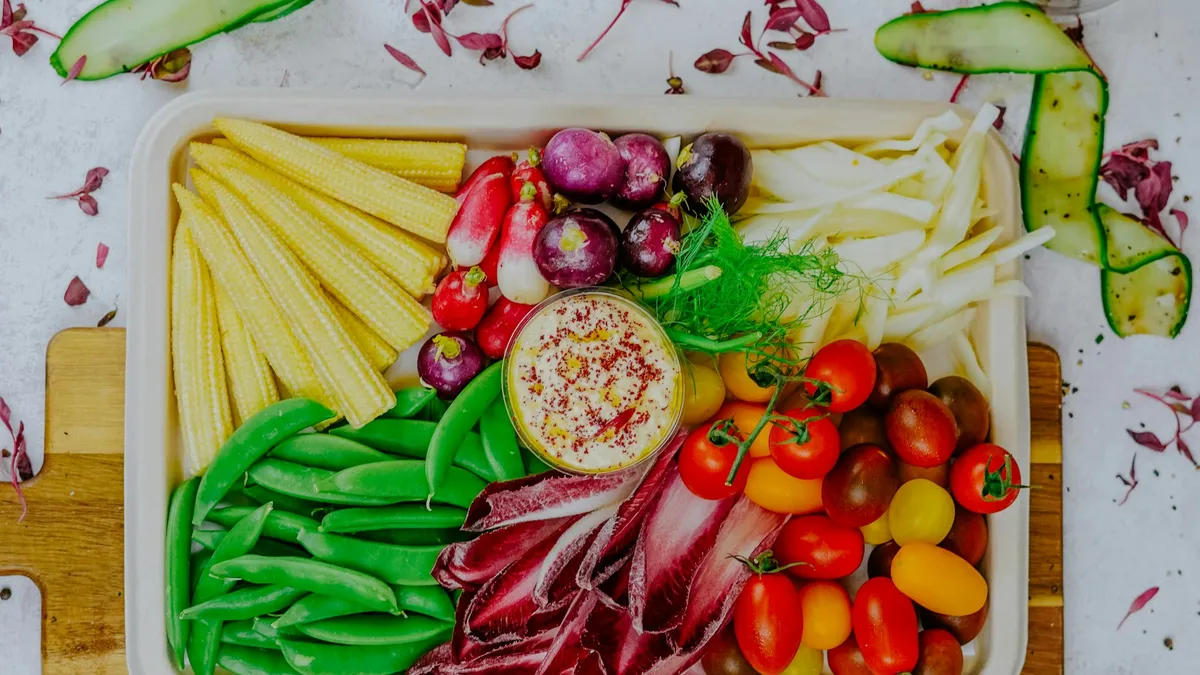
The Mediterranean diet is the better choice than a raw food diet for most people. A 30-expert panel for U.S. News & World Report ranked the Mediterranean diet first and the raw food diet last among 24 diets in 2023. A raw food diet keeps food below 104 to 118 degrees Fahrenheit, while the Mediterranean diet allows cooked food.
Action checklist
Choosing between Mediterranean and raw food diets
Use these steps from the article to choose between the Mediterranean diet and a raw food diet.
0 of 10 done
In this article
- What is the difference between the Mediterranean diet and a raw food diet?
- Mediterranean diet vs raw food diet: which is better?
- Raw food vs Mediterranean diet for weight loss
- Mediterranean diet vs raw food diet for heart health
- Which nutrients are at risk on a raw food diet?
- Food safety risks of raw animal foods and sprouts
- What should you know before choosing a raw food diet over the Mediterranean diet?
- When should you talk to a doctor or dietitian about a raw food diet?
- Mediterranean diet vs raw food diet: common questions
What is the difference between the Mediterranean diet and a raw food diet?
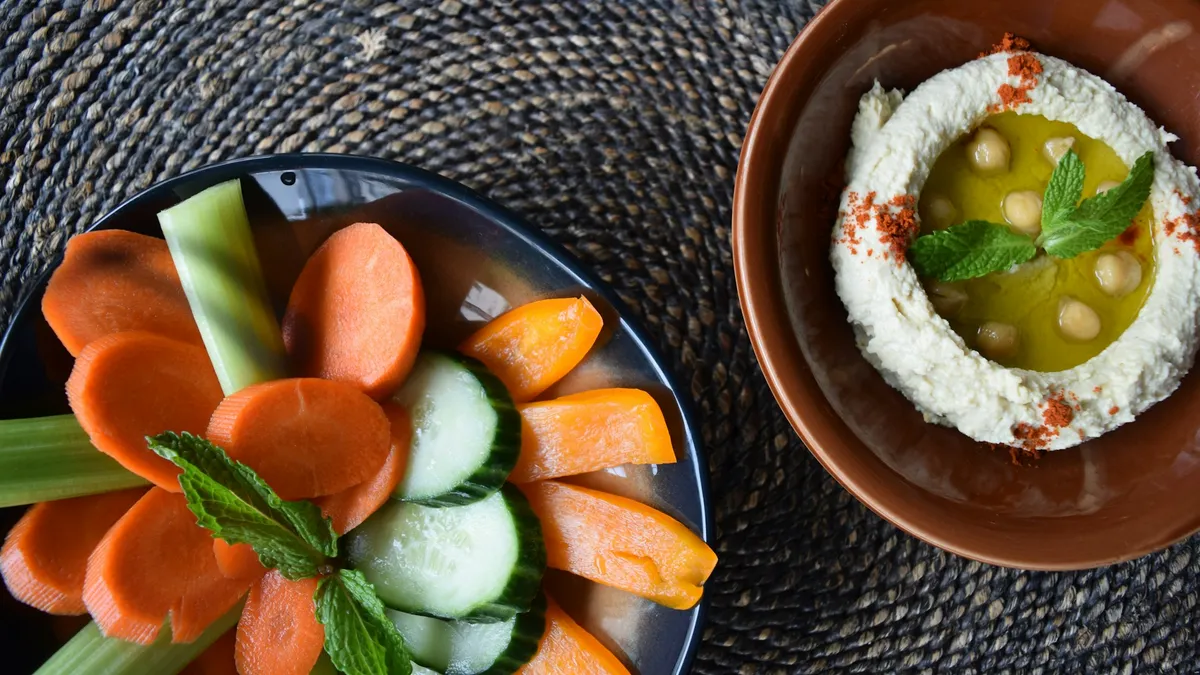
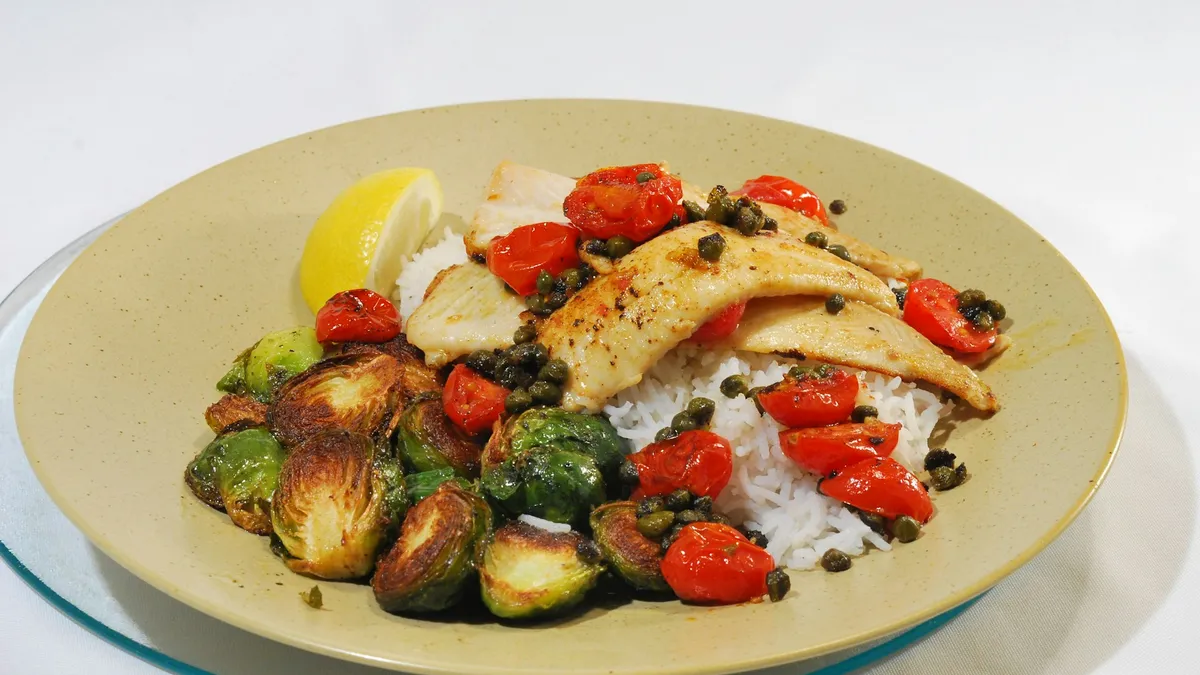
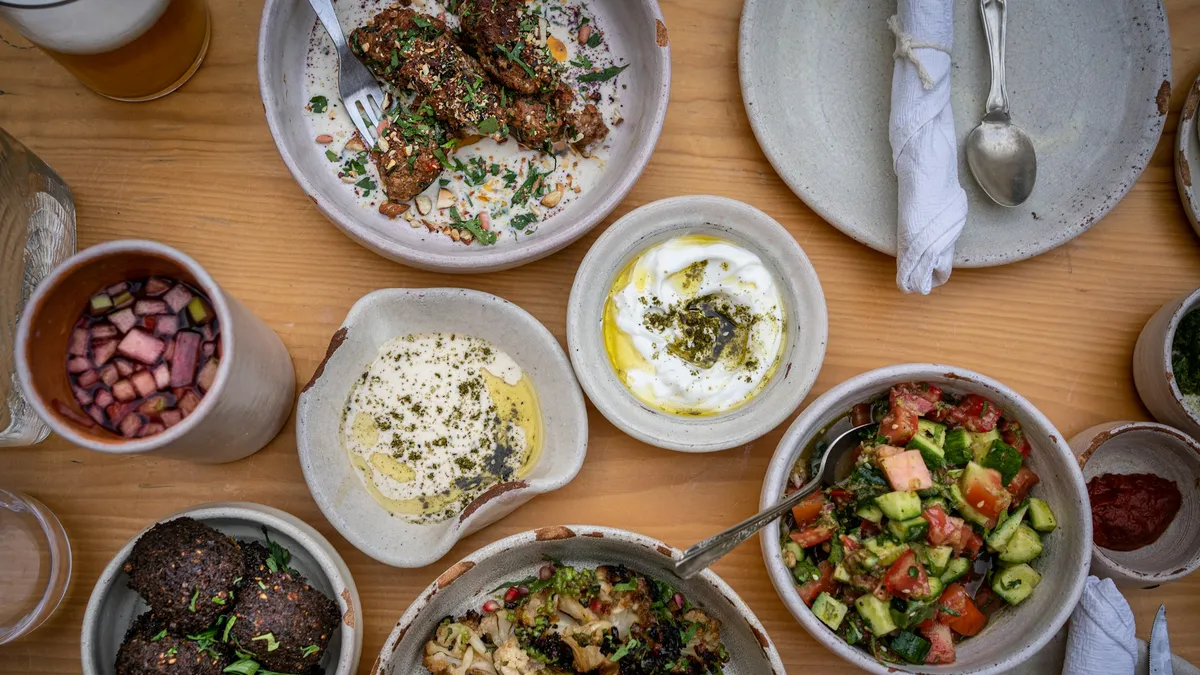
The difference between the Mediterranean diet and a raw food diet is whether food can be cooked. The Mediterranean diet is an eating pattern built on plant foods, beans, nuts, whole grains, seafood, lean poultry and extra-virgin olive oil.
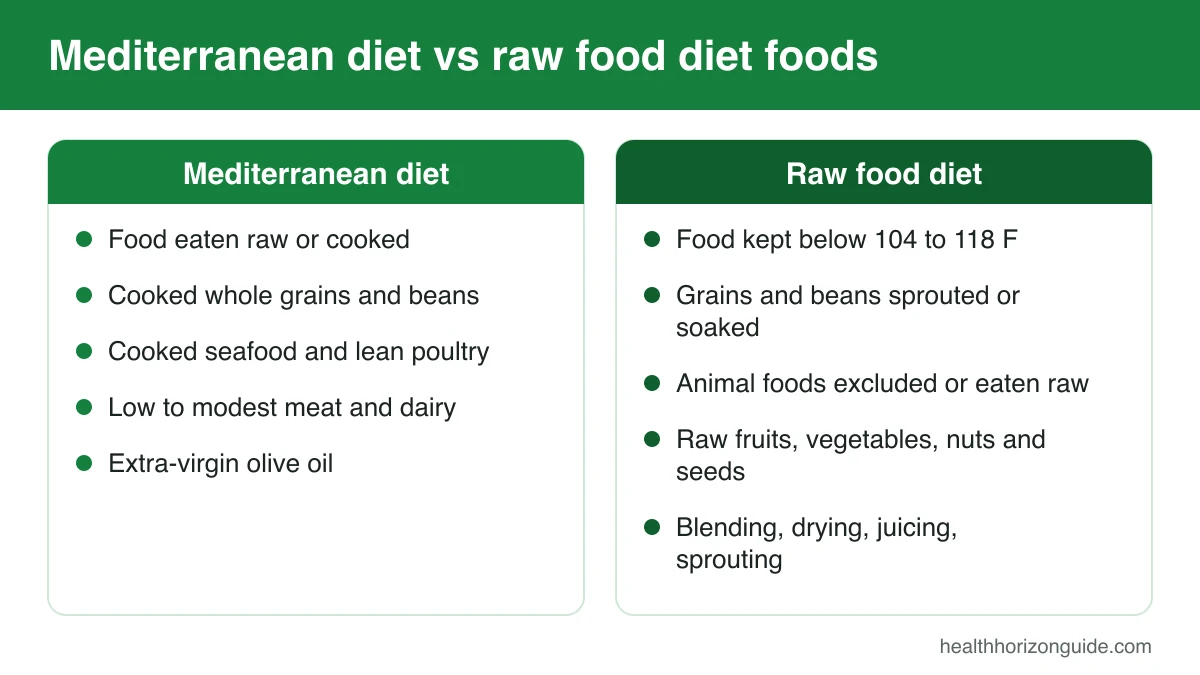
A raw food diet includes only uncooked, unprocessed foods. UCLA Health states that some raw food plans keep food below 104 degrees Fahrenheit, and other plans allow up to 118 degrees Fahrenheit. Raw food is prepared by blending, drying, juicing, soaking and sprouting.
Foods allowed on the Mediterranean diet and a raw food diet
Foods allowed on the Mediterranean diet and a raw food diet overlap on produce and nuts, and differ on grains, beans and animal foods. The table below compares the Mediterranean diet and a raw food diet across 7 food groups.
| Food group | Mediterranean diet | Raw food diet |
|---|---|---|
| Fruits and vegetables | Eaten raw or cooked | Raw, as the bulk of the diet |
| Nuts and seeds | Included | Raw, as the bulk of the diet |
| Whole grains and beans | Included and cooked | Sprouted or soaked, never cooked |
| Fish and seafood | Included and cooked | Excluded, or raw on omnivorous plans |
| Meat and poultry | Lean poultry, low to modest meat | Excluded, or raw on omnivorous plans |
| Dairy and eggs | Low to modest amounts | Excluded on vegan plans, or raw and unpasteurized |
| Processed foods | Very limited | Excluded |
What are the types of raw food diet?
The types of raw food diet are raw vegan, raw vegetarian and raw omnivorous, according to Cleveland Clinic. The Mediterranean diet has no such variants. The 3 types of raw food diet are listed below.
- Raw vegan diet: the most common type, which excludes all animal foods.
- Raw vegetarian diet: excludes meat, fish and poultry, and allows raw eggs and raw dairy.
- Raw omnivorous diet: allows plant foods and animal foods, including meat, when raw and unprocessed.
Mediterranean diet vs raw food diet: which is better?
The Mediterranean diet is the better diet overall for most people. The 2023 U.S. News ranking placed the Mediterranean diet first for the sixth year in a row, as Popular Science reported. The panel judged each diet on ease of following, disease prevention and inclusion of all food groups.
Why do experts rate the Mediterranean diet above a raw food diet?
Experts rate the Mediterranean diet above a raw food diet because a raw food diet is highly restrictive and has no proven advantage. The 3 reasons the 2023 report gave for the low raw food ranking are listed below.
- Evidence: the report found no evidence that avoiding cooked foods improves health.
- Hunger: raw foods are often lower in protein and calories than cooked meals, which may increase hunger.
- Staying power: weight loss may be temporary, since a raw food diet is hard to sustain.
Eating out is harder on a raw food diet than on the Mediterranean diet. UCLA Health notes that restaurants and gatherings often lack raw options.
Raw food vs Mediterranean diet for weight loss
The raw food diet and the Mediterranean diet both support weight loss, and a strict raw food diet risks excess weight loss. Raw foods are low in calories and high in fiber, according to UCLA Health.
The 216 men and 297 women in a 1999 survey followed raw food diets for 3.7 years on average. Average weight loss was 9.9 kilograms in men and 12 kilograms in women.
Body mass index was below the normal range in 14.7% of the men and 25% of the women. About 30% of the women under 45 had partial or complete loss of menstrual periods. The authors concluded that a very strict raw food diet cannot be recommended on a long-term basis.
The survey was self-reported and shows a link only. Our daily calorie calculator estimates a calorie target for the Mediterranean diet or a raw food diet.
Mediterranean diet vs raw food diet for heart health
The Mediterranean diet has stronger evidence for heart health than a raw food diet. The American Heart Association describes a study of nearly 26,000 women in the United States who were followed for up to 12 years. Women who followed the Mediterranean diet closely had about a one-quarter lower risk of cardiovascular events, including heart attack and stroke.
The Mediterranean diet study was observational. We found no comparable long-term study of heart outcomes on a raw food diet.
Which nutrients are at risk on a raw food diet?
The nutrients at risk on a raw food diet are protein, vitamin B12, vitamin D, calcium, iron and iodine. Cleveland Clinic states that a raw vegan diet may not supply enough of these 6 nutrients. UCLA Health adds omega-3 fats to the list.
The Mediterranean diet includes seafood, poultry and modest amounts of dairy, so no food group is removed.
Food safety risks of raw animal foods and sprouts
The food safety risks of raw animal foods and sprouts are infections from germs such as Salmonella, E. coli and Listeria. The CDC estimates that 48 million people in the United States get sick from a foodborne illness each year. About 128,000 of those people are hospitalized and 3,000 die.
The 4 riskier food groups on a raw food diet are listed below.
- Raw milk: raw milk is not pasteurized and can carry E. coli, Salmonella and Listeria.
- Raw eggs: raw eggs can contain Salmonella even when the eggs look normal.
- Raw meat, poultry and fish: Cleveland Clinic advises cooking these foods.
- Raw sprouts: the CDC names raw or undercooked sprouts as a riskier food.
The Mediterranean diet allows all 4 food groups to be cooked or pasteurized. UCLA Health advises washing raw produce thoroughly, and states that dried legumes and whole grains are not safe to eat raw.
What should you know before choosing a raw food diet over the Mediterranean diet?
The points to know before choosing a raw food diet over the Mediterranean diet are cooking effects, personal risk and combined eating.
Does cooking destroy nutrients in food?
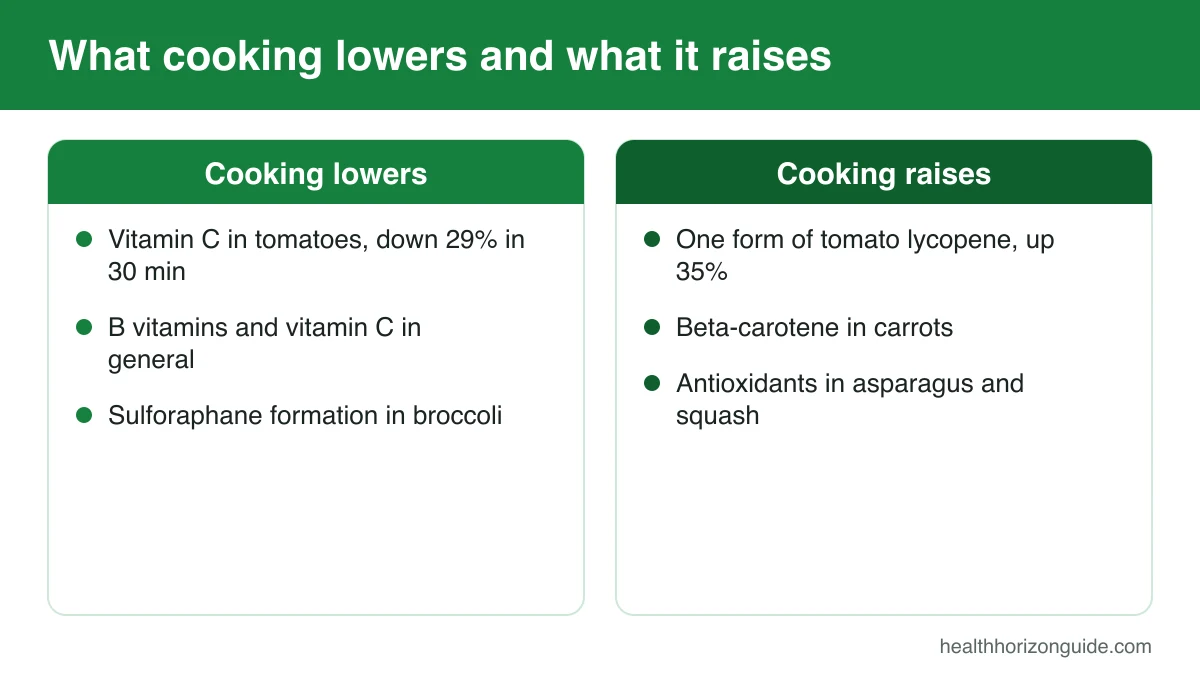
No, cooking does not destroy all nutrients in food. Cooking lowers some nutrients and raises others. Cleveland Clinic states that cooking reduces B vitamins and vitamin C, and that cooked asparagus and squash provide more antioxidants.
Scientific American reports that vitamin C in tomatoes fell 10% after 2 minutes of cooking and 29% after 30 minutes at 88 degrees Celsius. One form of lycopene in the same tomatoes rose 35% after 30 minutes. Cooking raised beta-carotene in carrots and lowered sulforaphane formation in broccoli.
A study of 198 people on strict raw food diets found normal vitamin A, high beta-carotene and low lycopene levels. The Mediterranean diet includes raw and cooked vegetables.
Who should avoid a raw food diet?
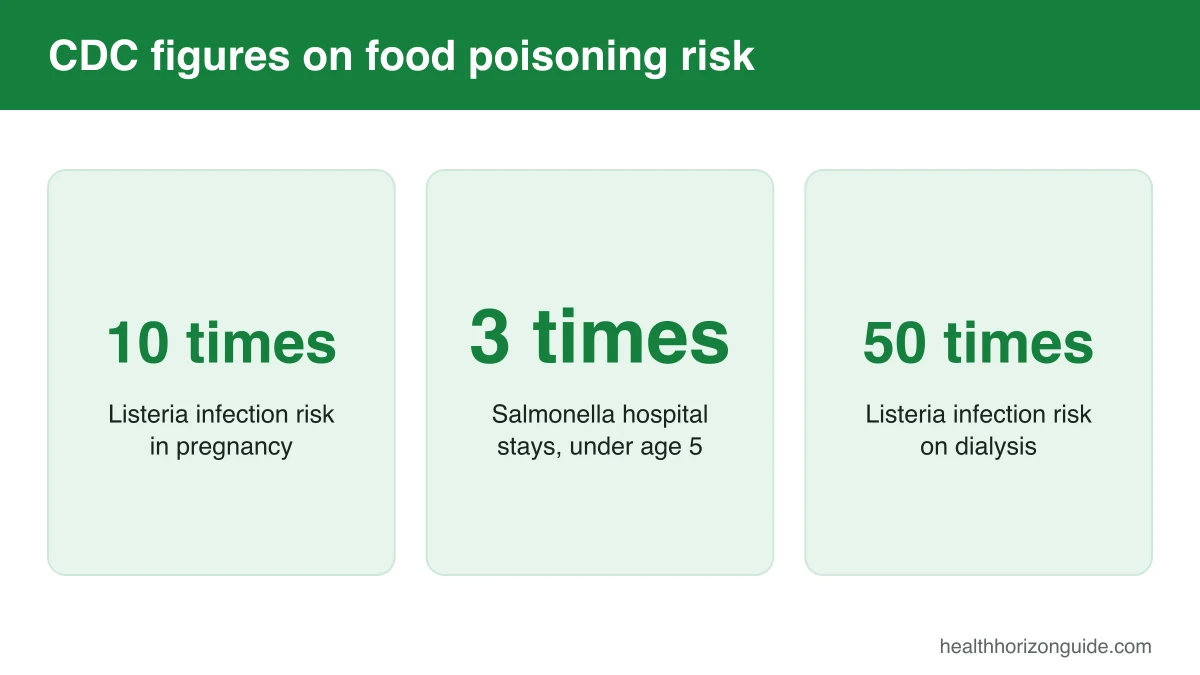
People who should avoid a raw food diet include pregnant women, young children, older adults and people with a weak immune system. The CDC names these 4 groups as higher risk for food poisoning. The CDC figure for each of the 4 groups is listed below.
- Pregnant women are 10 times more likely to get a Listeria infection.
- Children under 5 are 3 times more likely to be hospitalized with a Salmonella infection.
- Adults 65 and older are hospitalized in nearly half of lab-confirmed Salmonella, Campylobacter, Listeria or E. coli infections.
- People on dialysis, one group with weakened immunity, are 50 times more likely to get a Listeria infection.
The NHS advises pregnant women to avoid unpasteurised milk, raw or undercooked meat, raw fish and raw shellfish. Listeria infection in pregnancy can lead to miscarriage or stillbirth. The Mediterranean diet allows these foods cooked or pasteurised.
Can you combine the Mediterranean diet and a raw food diet?
Yes, you can combine the Mediterranean diet and a raw food diet as a mostly raw Mediterranean pattern. We found no trial of the combined diet. The 5 parts of the mostly raw approach from UCLA Health are listed below.
- Cooked legumes and whole grains.
- Plenty of produce, eaten raw or cooked, without added salt or sugar.
- Small amounts of cooked eggs, fish, poultry and meat.
- Pasteurized dairy.
- Whole foods in place of ultra-processed foods.
These 5 parts sit close to the Mediterranean diet. Fiber from raw produce feeds the gut microbiome, according to UCLA Health, and our science-backed gut health guide covers that link. Another regional pattern is covered in our guide to the Mediterranean vs Balkan diet.
When should you talk to a doctor or dietitian about a raw food diet?
You should talk to a doctor or dietitian before starting a strict raw food diet and when weight or periods change on the diet. The 4 situations that call for professional advice are listed below.
- Pregnancy, since raw animal foods carry a Listeria risk.
- A raw food diet planned for a child, which UCLA Health says needs a health care provider's approval.
- A health condition, a weakened immune system or age 65 and older.
- Missed periods, or body weight that falls below the normal range.
Cleveland Clinic calls the raw vegan diet too restrictive for lifelong use. The clinic's dietitian advises against excluding entire food groups, which matches the Mediterranean diet.
Other eating patterns are covered in our comparisons of the Mediterranean diet vs keto and the Mediterranean diet vs Zone diet.
Mediterranean diet vs raw food diet: common questions
Is a raw food diet healthier than the Mediterranean diet?
No, a raw food diet is not healthier than the Mediterranean diet on current evidence. The 2023 U.S. News report found no evidence that avoiding cooked foods improves health.
Is the Mediterranean diet a raw food diet?
No, the Mediterranean diet is not a raw food diet. The Mediterranean diet pairs raw produce and nuts with cooked whole grains, beans and seafood.